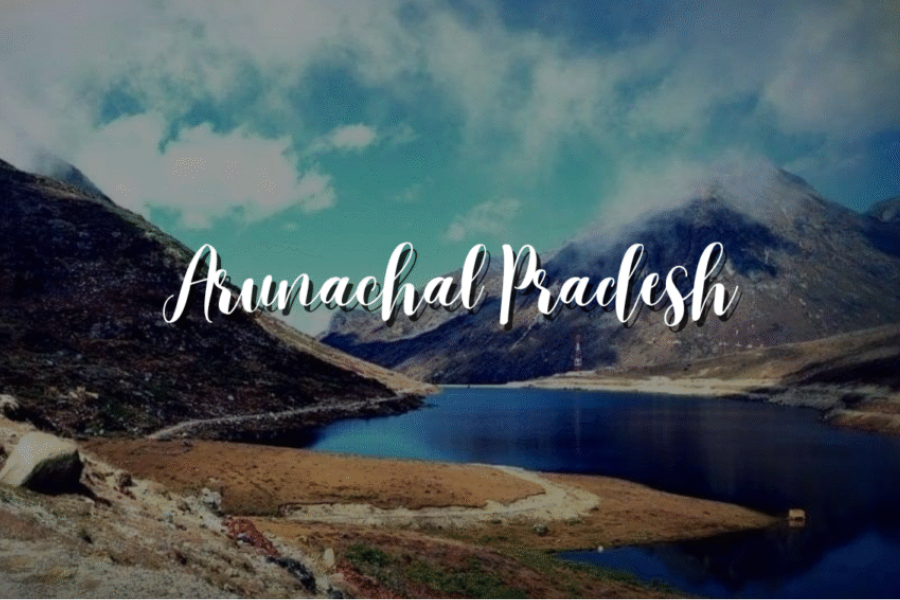
<div data-elementor-type="wp-post" data-elementor-id="11568" class="elementor elementor-11568"> <div class="elementor-element elementor-element-3b0d7bee e-flex e-con-boxed e-con e-parent" data-id="3b0d7bee" data-element_type="container" data-e-type="container"> <div class="e-con-inner"> <div class="elementor-element elementor-element-15e044e6 e-con-full e-flex e-con e-child" data-id="15e044e6" data-element_type="container" data-e-type="container"> <div class="elementor-element elementor-element-1e52563 elementor-widget elementor-widget-heading" data-id="1e52563" data-element_type="widget" data-e-type="widget" data-widget_type="heading.default"> <h3 class="elementor-heading-title elementor-size-default">Arunachal Pradesh: The Land of Dawn-Lit Mountains </h3> </div> <div class="elementor-element elementor-element-242d4984 elementor-widget elementor-widget-text-editor" data-id="242d4984" data-element_type="widget" data-e-type="widget" data-widget_type="text-editor.default"> <p><span style="font-weight: 400;">Nestled in the northeastern corner of India, Arunachal Pradesh, often referred to as the “Land of Dawn-Lit Mountains,” is a state of unparalleled natural beauty, cultural diversity, and historical significance. Bordering Bhutan, China, and Myanmar, this remote state is India’s northeastern frontier and serves as a pivotal region in terms of geography, politics, and heritage. With its awe-inspiring landscapes, unique tribes, rich biodiversity, and ancient cultural traditions, Arunachal Pradesh offers travelers an experience that is both enriching and transformative.</span></p> </div> <div class="elementor-element elementor-element-1f00e3a2 elementor-widget elementor-widget-image" data-id="1f00e3a2" data-element_type="widget" data-e-type="widget" data-widget_type="image.default"> <img decoding="async" src="https://tripjyada.com/wp-content/uploads/2026/03/Untitled-design-2.png" title="" alt="" loading="lazy" /> </div> </div> <div class="elementor-element elementor-element-fc0d76a elementor-widget elementor-widget-heading" data-id="fc0d76a" data-element_type="widget" data-e-type="widget" data-widget_type="heading.default"> <h3 class="elementor-heading-title elementor-size-default">A Glimpse into History</h3> </div> <div class="elementor-element elementor-element-2be0269f elementor-widget elementor-widget-text-editor" data-id="2be0269f" data-element_type="widget" data-e-type="widget" data-widget_type="text-editor.default"> <p><span style="font-weight: 400;">The history of Arunachal Pradesh is deeply intertwined with the rich traditions and cultures of the indigenous tribes that inhabit the region. Though it remained largely isolated from the outside world for centuries, Arunachal Pradesh has a history of interactions with its neighboring regions, especially Tibet, Assam, and Myanmar. The earliest records of the region trace back to the British colonial period when the area was referred to as the North East Frontier Agency (NEFA), a territory under direct control of the central government of India.</span></p><p><span style="font-weight: 400;">In 1962, during the Sino-Indian War, Arunachal Pradesh became a focal point of the territorial conflict between India and China, which continues to be a sensitive geopolitical issue to this day. Despite these challenges, Arunachal Pradesh remained a part of the Indian Union and gained statehood on 20th February 1987, becoming the 24th state of India.</span></p> </div> <div class="elementor-element elementor-element-2dbb22a8 elementor-widget elementor-widget-heading" data-id="2dbb22a8" data-element_type="widget" data-e-type="widget" data-widget_type="heading.default"> <h3 class="elementor-heading-title elementor-size-default">Culture of Arunachal Pradesh: A Tapestry of Traditions, Tribes, and Heritage</h3> </div> <div class="elementor-element elementor-element-5138a7de elementor-widget elementor-widget-text-editor" data-id="5138a7de" data-element_type="widget" data-e-type="widget" data-widget_type="text-editor.default"> <p><span style="font-weight: 400;">Arunachal Pradesh, often referred to as the “Land of the Rising Sun,” is a state in the northeastern part of India, celebrated not only for its breathtaking natural beauty but also for its rich and diverse culture. Home to over 26 major tribes and many sub-tribes, the culture of Arunachal Pradesh is a vibrant reflection of its indigenous people, their deep connection with nature, and centuries-old traditions that continue to thrive in modern times.</span></p> </div> <div class="elementor-element elementor-element-9ce40 elementor-widget elementor-widget-heading" data-id="9ce40" data-element_type="widget" data-e-type="widget" data-widget_type="heading.default"> <h3 class="elementor-heading-title elementor-size-default">Ethnic Diversity</h3> </div> <div class="elementor-element elementor-element-2d10b71f elementor-widget elementor-widget-text-editor" data-id="2d10b71f" data-element_type="widget" data-e-type="widget" data-widget_type="text-editor.default"> <p><span style="font-weight: 400;">The cultural identity of Arunachal Pradesh is shaped by its tribal diversity. The state’s population consists predominantly of tribal communities, each with its own distinct language, customs, traditions, and lifestyle. Major tribes in Arunachal Pradesh include the Apatanis, Nyishis, Monpas, Wanchos, Adis, and Mishmis, among others. Each tribe is unique, and their cultural practices vary significantly, making Arunachal Pradesh an intriguing patchwork of traditions.</span></p><p><span style="font-weight: 400;">The tribes of Arunachal Pradesh have traditionally been subsistence farmers, hunters, and gatherers, relying on their close-knit communities and deep knowledge of their environment. In recent years, many of the tribes have adopted modern lifestyles while preserving their age-old customs.</span></p> </div> <div class="elementor-element elementor-element-66e65c42 elementor-widget elementor-widget-heading" data-id="66e65c42" data-element_type="widget" data-e-type="widget" data-widget_type="heading.default"> <h3 class="elementor-heading-title elementor-size-default">Language and Communication </h3> </div> <div class="elementor-element elementor-element-0058eba elementor-widget elementor-widget-text-editor" data-id="0058eba" data-element_type="widget" data-e-type="widget" data-widget_type="text-editor.default"> <p><span style="font-weight: 400;">The linguistic diversity in Arunachal Pradesh is staggering. There are over 30 languages spoken in the state, and each tribe has its own dialect. The languages belong primarily to the Tibeto-Burman language family, with some communities speaking languages from the Indo-Aryan family as well.</span></p><p><span style="font-weight: 400;">While the official language of the state is English, many tribal communities communicate in their own languages. For example, the Monpa tribe speaks a dialect of Tibetan, while the Adi people speak Adi, a Tibeto-Burman language. Hindi, though not widely spoken as a native language, is understood and used for communication between different tribal groups and with outsiders.</span></p> </div> <div class="elementor-element elementor-element-7f51f99 elementor-widget elementor-widget-heading" data-id="7f51f99" data-element_type="widget" data-e-type="widget" data-widget_type="heading.default"> <h3 class="elementor-heading-title elementor-size-default">Festivals and Celebrations </h3> </div> <div class="elementor-element elementor-element-4acabe7 elementor-widget elementor-widget-text-editor" data-id="4acabe7" data-element_type="widget" data-e-type="widget" data-widget_type="text-editor.default"> <p><span style="font-weight: 400;">Festivals in Arunachal Pradesh are an essential part of life, offering a glimpse into the rich cultural traditions of its tribes. Each tribe has its own festivals, many of which are deeply connected to agricultural cycles, religious beliefs, and community gatherings. These festivals are marked by dances, songs, feasts, and rituals.</span></p> </div> <div class="elementor-element elementor-element-7589980 elementor-widget elementor-widget-heading" data-id="7589980" data-element_type="widget" data-e-type="widget" data-widget_type="heading.default"> <h4 class="elementor-heading-title elementor-size-default">1. Losar Festival:</h4> </div> <div class="elementor-element elementor-element-f0c1a44 elementor-widget elementor-widget-text-editor" data-id="f0c1a44" data-element_type="widget" data-e-type="widget" data-widget_type="text-editor.default"> <p><span style="font-weight: 400;">Celebrated by the Monpa tribe, Losar marks the Tibetan New Year and is one of the most important festivals in Arunachal Pradesh. It usually takes place in February or March and is characterized by prayers, feasts, colorful dances, and rituals for prosperity in the coming year. The Tawang Monastery plays a central role in the Losar celebrations.</span></p> </div> <div class="elementor-element elementor-element-7191915 elementor-widget elementor-widget-heading" data-id="7191915" data-element_type="widget" data-e-type="widget" data-widget_type="heading.default"> <h4 class="elementor-heading-title elementor-size-default">2. Mopin Festival:</h4> </div> <div class="elementor-element elementor-element-536242e elementor-widget elementor-widget-text-editor" data-id="536242e" data-element_type="widget" data-e-type="widget" data-widget_type="text-editor.default"> <p><span style="font-weight: 400;">This festival is celebrated by the Galo tribe of the West Siang district. Mopin is a festival of harvest and is observed to seek blessings for a bountiful agricultural yield. It is marked by traditional dance, music, and the preparation of local delicacies such as Peh (a traditional rice drink) and rice cakes.</span></p> </div> <div class="elementor-element elementor-element-f363a54 elementor-widget elementor-widget-heading" data-id="f363a54" data-element_type="widget" data-e-type="widget" data-widget_type="heading.default"> <h4 class="elementor-heading-title elementor-size-default">3. Solung Festival</h4> </div> <div class="elementor-element elementor-element-1d3d52f elementor-widget elementor-widget-text-editor" data-id="1d3d52f" data-element_type="widget" data-e-type="widget" data-widget_type="text-editor.default"> <p><span style="font-weight: 400;">The Solung festival, celebrated by the Adi tribe, is one of the most significant festivals in Arunachal Pradesh. It is a festival of harvest and prayers to the gods for a good yield. Traditional dances, feasts, and the slaughter of animals are central to the festival’s celebrations.</span></p> </div> <div class="elementor-element elementor-element-bad4b87 elementor-widget elementor-widget-heading" data-id="bad4b87" data-element_type="widget" data-e-type="widget" data-widget_type="heading.default"> <h4 class="elementor-heading-title elementor-size-default">4. Buddhist Festivals</h4> </div> <div class="elementor-element elementor-element-e6c3075 elementor-widget elementor-widget-text-editor" data-id="e6c3075" data-element_type="widget" data-e-type="widget" data-widget_type="text-editor.default"> <p><span style="font-weight: 400;">Buddhist festivals like Buddha Jayanti and Losar are celebrated with fervor, especially in the Monpa and Sherdukpen tribes. The Tawang Monastery and other monasteries across the state become sites for large-scale celebrations, including prayer rituals, feasting, and community gatherings.</span></p> </div> <div class="elementor-element elementor-element-af1bdeb elementor-widget elementor-widget-heading" data-id="af1bdeb" data-element_type="widget" data-e-type="widget" data-widget_type="heading.default"> <h4 class="elementor-heading-title elementor-size-default">5. Nyokum Yullo</h4> </div> <div class="elementor-element elementor-element-5bac57b elementor-widget elementor-widget-text-editor" data-id="5bac57b" data-element_type="widget" data-e-type="widget" data-widget_type="text-editor.default"> <p><span style="font-weight: 400;">The Nyishi tribe celebrates Nyokum Yullo, which marks the beginning of the agricultural season. The festival is held to invoke the blessings of the gods for a prosperous year. Traditional dances, colorful costumes, and cultural performances are an integral part of the festival.</span></p> </div> <div class="elementor-element elementor-element-adea403 elementor-widget elementor-widget-heading" data-id="adea403" data-element_type="widget" data-e-type="widget" data-widget_type="heading.default"> <h4 class="elementor-heading-title elementor-size-default">Traditional Arts and Crafts </h4> </div> <div class="elementor-element elementor-element-dfb2b2b elementor-widget elementor-widget-text-editor" data-id="dfb2b2b" data-element_type="widget" data-e-type="widget" data-widget_type="text-editor.default"> <p><span style="font-weight: 400;">The people of Arunachal Pradesh have a rich tradition of handicrafts and textiles, reflecting their deep-rooted cultural heritage. Craftsmanship is not just an art form but a means of preserving traditions.</span></p> </div> <div class="elementor-element elementor-element-bf9267b elementor-widget elementor-widget-heading" data-id="bf9267b" data-element_type="widget" data-e-type="widget" data-widget_type="heading.default"> <h4 class="elementor-heading-title elementor-size-default">1. Handloom and Weaving</h4> </div> <div class="elementor-element elementor-element-5f36ec4 elementor-widget elementor-widget-text-editor" data-id="5f36ec4" data-element_type="widget" data-e-type="widget" data-widget_type="text-editor.default"> <p><span style="font-weight: 400;">Traditional weaving is one of the most prominent crafts in Arunachal Pradesh. The Apatani, Galo, and other tribes are known for their intricate handwoven textiles, which are used to make garments, shawls, and mats. The use of natural dyes and motifs based on nature is a hallmark of the state’s weaving traditions.</span></p> </div> <div class="elementor-element elementor-element-861e44a elementor-widget elementor-widget-heading" data-id="861e44a" data-element_type="widget" data-e-type="widget" data-widget_type="heading.default"> <h4 class="elementor-heading-title elementor-size-default">2. Wood Carving</h4> </div> <div class="elementor-element elementor-element-0d0d55b elementor-widget elementor-widget-text-editor" data-id="0d0d55b" data-element_type="widget" data-e-type="widget" data-widget_type="text-editor.default"> <p><span style="font-weight: 400;">Wood carving is another important craft in Arunachal Pradesh, particularly among the Nyishi, Apatani, and Monpa tribes. Artisans create intricate wooden masks, idols, and figures used in religious rituals and festivals. Wooden tools, utensils, and decorative items are also carved with great skill.</span></p> </div> <div class="elementor-element elementor-element-2ca7c02 elementor-widget elementor-widget-heading" data-id="2ca7c02" data-element_type="widget" data-e-type="widget" data-widget_type="heading.default"> <h4 class="elementor-heading-title elementor-size-default">3. Painting</h4> </div> <div class="elementor-element elementor-element-9dc4e65 elementor-widget elementor-widget-text-editor" data-id="9dc4e65" data-element_type="widget" data-e-type="widget" data-widget_type="text-editor.default"> <p><span style="font-weight: 400;">Traditional painting in Arunachal Pradesh is often connected to religious rituals. The Buddhist monasteries in the state are adorned with murals depicting Buddhist themes, while the indigenous tribes also use painting in their rituals and festivals.</span></p> </div> <div class="elementor-element elementor-element-b8cf8a7 elementor-widget elementor-widget-heading" data-id="b8cf8a7" data-element_type="widget" data-e-type="widget" data-widget_type="heading.default"> <h4 class="elementor-heading-title elementor-size-default">4. Bamboo Craft</h4> </div> <div class="elementor-element elementor-element-274344b elementor-widget elementor-widget-text-editor" data-id="274344b" data-element_type="widget" data-e-type="widget" data-widget_type="text-editor.default"> <p><span style="font-weight: 400;">Bamboo is widely used for crafting everyday items such as baskets, mats, and household tools. The craftsmanship of the tribes of Arunachal Pradesh with bamboo is highly regarded for its durability and aesthetic appeal.</span></p> </div> <div class="elementor-element elementor-element-937462e elementor-widget elementor-widget-heading" data-id="937462e" data-element_type="widget" data-e-type="widget" data-widget_type="heading.default"> <h3 class="elementor-heading-title elementor-size-default">Music and Dance</h3> </div> <div class="elementor-element elementor-element-6572795 elementor-widget elementor-widget-text-editor" data-id="6572795" data-element_type="widget" data-e-type="widget" data-widget_type="text-editor.default"> <p><span style="font-weight: 400;">Music and dance are central to the cultural fabric of Arunachal Pradesh, and every tribe has its unique style of performance. These art forms are used to tell stories, celebrate harvests, and mark significant life events.</span></p> </div> <div class="elementor-element elementor-element-f5093b9 elementor-widget elementor-widget-heading" data-id="f5093b9" data-element_type="widget" data-e-type="widget" data-widget_type="heading.default"> <h4 class="elementor-heading-title elementor-size-default">1. Traditional Dance</h4> </div> <div class="elementor-element elementor-element-da659e2 elementor-widget elementor-widget-text-editor" data-id="da659e2" data-element_type="widget" data-e-type="widget" data-widget_type="text-editor.default"> <p><span style="font-weight: 400;">Dances are essential to every festival and social gathering in Arunachal Pradesh. For instance, the Buiya dance of the Nyishi tribe, performed during the Nyokum Yullo festival, and the Pasi dance of the Adi tribe, are known for their energetic movements and symbolic meanings.</span></p> </div> <div class="elementor-element elementor-element-552573b elementor-widget elementor-widget-heading" data-id="552573b" data-element_type="widget" data-e-type="widget" data-widget_type="heading.default"> <h4 class="elementor-heading-title elementor-size-default">2. Instruments</h4> </div> <div class="elementor-element elementor-element-0edcc2c elementor-widget elementor-widget-text-editor" data-id="0edcc2c" data-element_type="widget" data-e-type="widget" data-widget_type="text-editor.default"> <p><span style="font-weight: 400;">Traditional musical instruments, such as the Chos-ngon (a traditional drum) and Ransingha (a trumpet-like instrument), are used in festivals and ceremonies. These instruments accompany dances and songs that depict stories of nature, animals, and ancestors.</span></p> </div> <div class="elementor-element elementor-element-eb5da73 elementor-widget elementor-widget-heading" data-id="eb5da73" data-element_type="widget" data-e-type="widget" data-widget_type="heading.default"> <h4 class="elementor-heading-title elementor-size-default">3. Singing</h4> </div> <div class="elementor-element elementor-element-a316707 elementor-widget elementor-widget-text-editor" data-id="a316707" data-element_type="widget" data-e-type="widget" data-widget_type="text-editor.default"> <p><span style="font-weight: 400;">Songs are passed down through generations, telling stories of the tribe’s history, nature, and mythology. Rhythmic handclaps or simple musical instruments often accompany these songs.</span></p> </div> </div> </div> </div>